Glyco Reset Official Website Blog Citric acid & sodium citrate
Blog · Citric acid & sodium citrateSodium Citrate And Citric Acid: Reading The Two Ingredients On The Label That Aren’t The Actives
Citric acid and sodium citrate are fifth and sixth on the Glyco Reset ingredient list. Neither is the ingredient the formula is built around; both are common food acids that set taste and hold a liquid at a steady acidity. Both are Generally Recognized As Safe under US food rules, both can legally appear on a label without a printed amount, and no amount is printed for either on the Glyco Reset list.
This article reads the two of them the way a label-literate buyer would: what each one is, what job it does, and what the federal rules that govern them actually say.
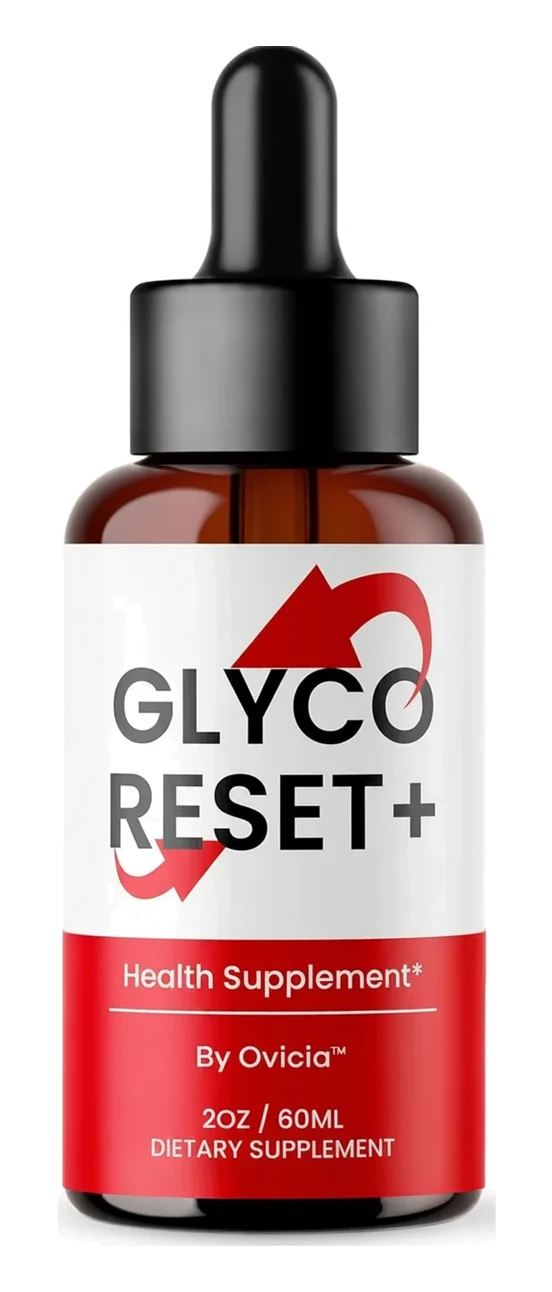
Six ingredients are named on the Glyco Reset list, in this printed order: apple cider vinegar, purified water, pure cane sugar, apple pectin, citric acid and sodium citrate. The blog has separate articles on the first four; this one covers the last two, which are easy to skim past because neither is described on the sales page as doing anything for blood sugar. That is itself worth reading carefully, because it is accurate: citric acid and sodium citrate are not active ingredients on this list, and nothing about them should be read as if they were.
- What citric acid is. A food acid found naturally in citrus fruit, one of the most widely used acidity regulators in food and drink.
- What sodium citrate is. The sodium salt of citric acid, commonly paired with it to hold a liquid’s acidity steady rather than letting it swing.
- Their federal status. Both are listed as Generally Recognized As Safe (GRAS) food substances under 21 CFR Part 184.
- Amounts on this label. Not printed for either. The seller’s own copy points to the bottle’s Supplement Facts panel for exact figures.
- What neither is. A studied active ingredient for blood sugar. That role, on this list, belongs to apple cider vinegar.
Sodium citrate is a source of sodium, in whatever amount the bottle’s panel states. If a doctor has asked you to track sodium, check the panel yourself and ask before adding any new daily product.
Two names on a six-name list that aren’t the actives
The Glyco Reset label names six ingredients, in order: apple cider vinegar, purified water, pure cane sugar, apple pectin, citric acid, sodium citrate. That is not a proprietary blend; each of the six is named individually, without a shared umbrella term hiding what is inside. It is also not a list where every name is doing the same kind of work. Apple cider vinegar is the ingredient with published human research connecting it to blood glucose after a meal. Purified water is the carrier that makes this a liquid rather than a tablet. Cane sugar sweetens it, and apple pectin is a soluble fibre that gives the liquid body. Citric acid and sodium citrate, fifth and sixth, do neither of those jobs: they are there to manage taste and acidity, not to act on blood sugar.
Reading a label well means noticing that distinction rather than assuming every name on a six-item list carries equal weight toward whatever the product claims to support. This article treats citric acid and sodium citrate on their own terms, as the food-science ingredients they are.

What citric acid is, and where it comes from
Citric acid is a weak organic acid that occurs naturally in citrus fruit, most abundantly in lemons and limes, and in smaller amounts throughout the plant and animal kingdoms as part of ordinary cell metabolism. It gives citrus its characteristic sourness, and it is one of the most widely produced food acids in the world, used across beverages, confectionery, preserves and countless other packaged foods, almost always for the same handful of reasons: to add tartness, to adjust pH, and to help stabilise flavour and colour over a product’s shelf life.
On the Glyco Reset label, citric acid’s job fits that ordinary pattern. Vinegar is already acidic and sharp; a small amount of citric acid can round out or brighten that sharpness, and, paired with its salt form below, help hold the liquid’s acidity in a narrow, stable range from the day it is bottled to the day it is opened.
What sodium citrate is, and how it pairs with citric acid
Sodium citrate is the sodium salt of citric acid: the same citrate backbone, with sodium in place of one of the acid’s hydrogen atoms. In food chemistry, an acid and its salt commonly appear together because, mixed in the right ratio, they form a buffer, a pair that resists changes in pH when small amounts of other acids or bases are introduced. That buffering role is the plainest explanation for why sodium citrate sits right after citric acid on the Glyco Reset list: together they can hold the liquid’s acidity steadier than citric acid could on its own, which also tends to soften any sharp or overly tart edge in the taste.
Sodium citrate also, by definition, contributes a small amount of sodium. The label does not print that amount separately in the ingredient list; it belongs on the bottle’s own Supplement Facts panel, alongside the ingredient’s exact quantity, exactly like the amounts for the other five names on the list.
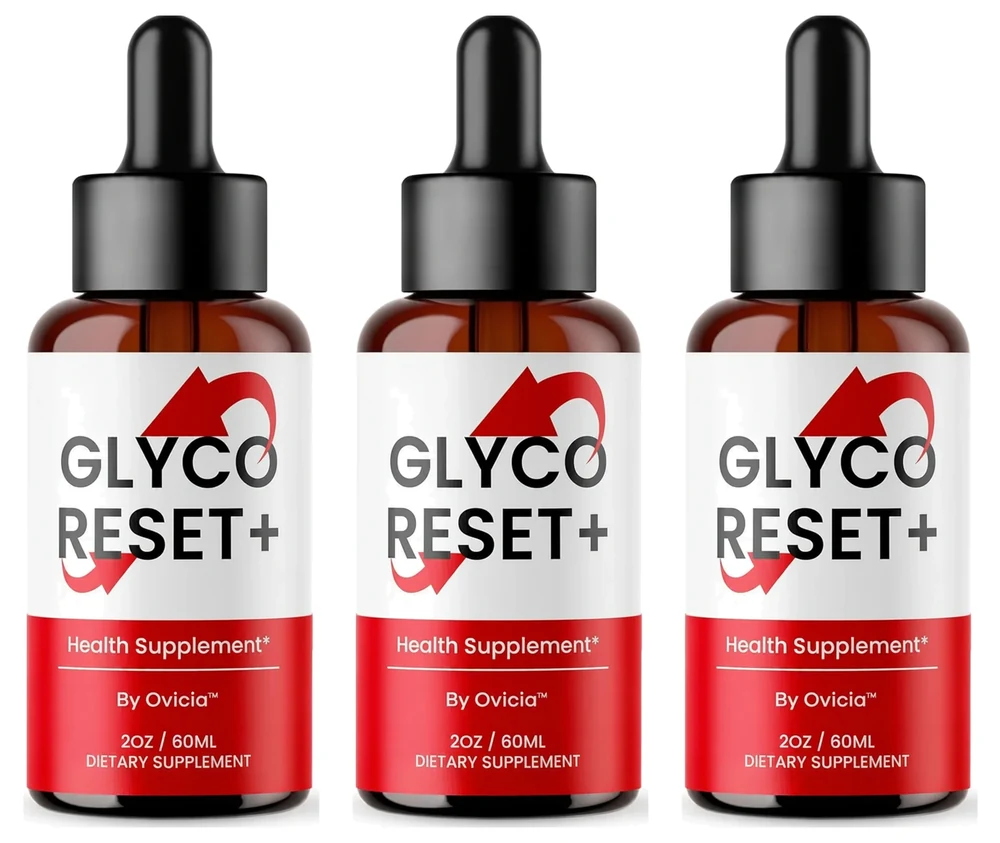
Glyco Reset, on the official website
Liquid drops in a 2 oz / 60 mL bottle, six named ingredients with apple cider vinegar first, taken daily as the label directs. Sixty days from the date of purchase to change your mind.
Order Glyco ResetReading their federal food-additive status
Both ingredients have a specific, checkable status under US food law. 21 CFR 184.1033 lists citric acid and 21 CFR 184.1751 lists sodium citrate among the substances the FDA affirms as Generally Recognized As Safe, GRAS for short, for direct addition to food. The FDA’s own GRAS overview explains what that designation means in plain terms: a substance qualifies as GRAS when qualified experts generally recognise it as safe under the conditions of its intended use, based on either a long, well-documented history of common food use or on published scientific evidence.
GRAS status is a food-safety classification, not a claim about what an ingredient does for any health outcome, and this article treats it as exactly that. Citric acid and sodium citrate being GRAS says that regulators consider their ordinary use in food, at ordinary food-use levels, to carry no established safety concern. It says nothing about blood sugar, one way or the other, and nothing on the Glyco Reset sales page claims otherwise for either ingredient.
| Citric acid | Sodium citrate | |
|---|---|---|
| Position on the list | 5th of 6 | 6th of 6 |
| What it is | A weak organic acid, naturally occurring in citrus fruit | The sodium salt of citric acid |
| Role on this label | Acidity regulator, flavour | Buffer, paired with citric acid |
| Federal food status | GRAS, 21 CFR 184.1033 | GRAS, 21 CFR 184.1751 |
| Amount printed on this list | Not stated | Not stated |
GRAS status and an amount are two different pieces of information. This table states the first; neither the seller’s ingredient list nor this article invents the second.
Why fifth and sixth on the list is not an accident
21 CFR 101.4, the federal rule on designating food ingredients, requires that ingredients be listed by their common or usual name in descending order of predominance by weight. That rule is the reason ingredient order is informative at all: on a correctly labelled product, the first name is present in the greatest amount by weight and the last name in the least, all else being equal. Citric acid and sodium citrate sitting fifth and sixth, after the vinegar, water, sugar and pectin, is consistent with their role as small-quantity functional additives rather than bulk ingredients, which is exactly what an acidity regulator and a buffer are expected to be in a formula like this.
That ordering rule applies to the ingredient list. The separate amounts on the Supplement Facts panel are governed by 21 CFR 101.36, the rule on nutrition labeling for dietary supplements, which sets out which nutrients and other dietary ingredients need a quantity stated and how. The two rules work together, but they are not the same rule, and a reader who understands the difference can tell, from the ingredient list alone, roughly where an ingredient sits by weight without needing a number for it.
Why no amount is printed for either
Consistent with the rest of the six-name list, the seller’s own copy does not print milligram figures for citric acid or sodium citrate anywhere in the ingredient description; it points instead to the Supplement Facts panel on the bottle for exact amounts, the same pattern already covered for cane sugar on this label. This article does not fill that gap with an estimate. Typical use levels for acidity regulators and buffers in comparable liquid products are small, generally a fraction of a percent by weight, but "typical" is not the same as "printed," and nothing here should be read as a stand-in for the number on the bottle in front of a buyer.
The honest position is a narrow one: citric acid and sodium citrate are named, their federal food status is a matter of public record, and their exact amounts in this particular bottle are not stated anywhere in the seller’s marketing copy this article has reviewed. Anyone who wants the number should read the Supplement Facts panel on the bottle itself.
What this means for reading any supplement label
Citric acid and sodium citrate are a useful case study in label reading precisely because they are unglamorous. Neither is marketed as doing anything, and that absence of a claim is itself informative: it tells a careful reader that the seller is drawing a line between the ingredient with research behind it, apple cider vinegar, and the ingredients that simply make the liquid work as a liquid. A label that claimed a blood-sugar benefit for a buffering salt would be the kind of overreach worth flagging; this one does not make that claim, and this article does not manufacture one on its behalf.
The wider picture of all six names, set beside what published research covers and does not, is on the ingredients page, and the panel itself, read line by line, is covered on the label, read closely.
Questions readers ask about these two ingredients
Do citric acid and sodium citrate affect blood sugar?
The Glyco Reset sales page does not claim that they do, and this article has not found published research testing either ingredient, at food-additive levels, against blood glucose. Their role on this label is acidity and buffering, not an active-ingredient role.
Is sodium citrate the same as table salt?
No. Table salt is sodium chloride. Sodium citrate is the sodium salt of citric acid, a different compound with a different chemical structure, though both contribute sodium to a diet.
Why are citric acid and sodium citrate both GRAS but neither has a printed amount?
GRAS status is a food-safety classification under 21 CFR Part 184; it does not require a manufacturer to print a milligram amount on an ingredient list. The Supplement Facts panel, governed by a separate rule, is where quantities for stated ingredients belong.
Could citric acid or sodium citrate cause a reaction?
Both are common food ingredients encountered daily by most people who eat citrus fruit or packaged food. Anyone with a known sensitivity to citric acid, or any other named ingredient, should read the full label and speak with a doctor before use, the same standard that applies to any of the six names on this list.
Sources cited in this article
- US Code of Federal Regulations. 21 CFR 184.1033, Citric acid. Electronic Code of Federal Regulations. https://www.ecfr.gov/current/title-21/chapter-I/subchapter-B/part-184/subpart-B/section-184.1033
- US Code of Federal Regulations. 21 CFR 184.1751, Sodium citrate. Electronic Code of Federal Regulations. https://www.ecfr.gov/current/title-21/chapter-I/subchapter-B/part-184/subpart-B/section-184.1751
- US Code of Federal Regulations. 21 CFR 101.4, Food; designation of ingredients. Electronic Code of Federal Regulations. https://www.ecfr.gov/current/title-21/chapter-I/subchapter-B/part-101/subpart-A/section-101.4
- US Code of Federal Regulations. 21 CFR 101.36, Nutrition labeling of dietary supplements. Electronic Code of Federal Regulations. https://www.ecfr.gov/current/title-21/chapter-I/subchapter-B/part-101/subpart-C/section-101.36
- US Food and Drug Administration. Generally Recognized as Safe (GRAS). https://www.fda.gov/food/food-ingredients-packaging/generally-recognized-safe-gras