Glyco Reset Official Website Blog Evidence limits
Blog · Apple cider vinegarWhat The Apple Cider Vinegar Studies Didn’t Measure: HbA1c, Fasting Glucose, And Study Length
Most of the vinegar trials cited on this blog measured one thing: blood glucose after a single test meal, over a couple of hours, on one morning. They did not measure HbA1c, and they did not run for weeks. A smaller set of longer studies did test HbA1c and fasting glucose, mostly in adults already living with type 2 diabetes, over eight weeks or more, with mixed and sometimes surprising results.
This article keeps those two kinds of evidence separate, names which is which, and says plainly where the record stops.
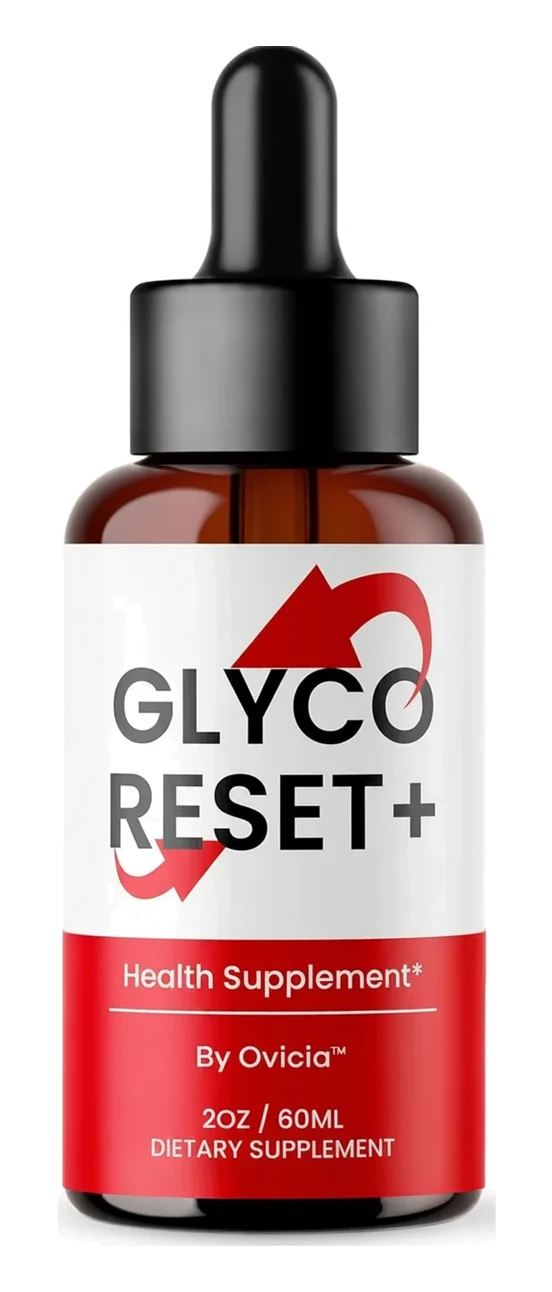
The article on vinegar and blood sugar after a meal covers what the best-known trials found. This one covers what they did not set out to find. A single-meal glucose test and an eight-week HbA1c trial are answering different questions, on different timescales, and a fair reading of the vinegar literature has to keep the two apart rather than borrow the confidence of one for the other.
- What the postprandial trials measured. Glucose, and sometimes insulin, for one to two hours after a single test meal.
- What they did not measure. HbA1c (a three-month average) and fasting glucose tracked over weeks, in most of those same trials.
- The exception that did. An eight-week randomised trial in adults with type 2 diabetes found a significant HbA1c difference between vinegar and control groups.
- The pooled picture. A 2021 meta-analysis restricted to trials of two weeks or longer found ACV lowered fasting glucose and HbA1c overall, but raised fasting glucose in the subgroup of healthy, non-diabetic participants.
- What stays open. No trial in this article’s source list has tested Glyco Reset itself, at any duration, in any population.
Glyco Reset is a dietary supplement, not a treatment for diabetes or any disease. HbA1c and fasting glucose are markers your doctor monitors and interprets; no dietary supplement claim on this website is a substitute for that monitoring.
Two different kinds of vinegar evidence
Vinegar research on blood sugar splits into two families that are easy to blur together. The first, and by far the larger, is the postprandial family: single test meals, one to two hours of blood draws, glucose and insulin as the outcomes. The main vinegar article on this blog covers that family in depth, including the 2005 dose-response trial and the 1998 stomach-emptying study.
The second, smaller family runs for weeks rather than hours and measures fasting glucose and HbA1c rather than a single meal’s curve. This article is about that second family: what exists in it, what it found, and how it differs from the postprandial trials that make up most of the vinegar literature.
What the postprandial trials measured, and their length
The 2005 dose-response trial tested twelve healthy adults over a single test meal. The 1998 stomach-emptying study tested ten healthy adults, also over a single meal. The 2017 meta-analysis pooled controlled trials of vinegar taken with a meal, and its outcome was, again, the glucose and insulin rise after eating, not a marker tracked over weeks or months.
None of that makes these trials weak; a single-meal design is a reasonable, efficient way to test whether an effect exists at all before anyone commits to a longer study. But a single morning cannot show what happens to a marker that is, by definition, an average over time. That is what HbA1c is, and it is the subject of the next section.
| Study | Who took part | Length | Outcome measured |
|---|---|---|---|
| Ostman et al, 2005 | 12 healthy adults | One test meal | Glucose and insulin, 0–120 minutes |
| Liljeberg & Bjorck, 1998 | 10 healthy adults | One test meal | Glucose, insulin, gastric emptying |
| Jafarirad et al, 2023 | Adults with type 2 diabetes | 8 weeks | Fasting glucose, HbA1c, insulin, lipid profile |
| Hadi et al, 2021 (meta-analysis) | Nine pooled trials, ≥2 weeks each | 2 weeks to several months, pooled | Fasting plasma glucose, HbA1c, lipid profile |
The two 2026-cited postprandial trials above are also covered in the main vinegar article. Here they are placed beside the longer trials specifically to show the length gap.
What HbA1c actually measures, and why it is a different test
HbA1c, also written glycated hemoglobin, is not a snapshot the way a single glucose reading is. It measures the fraction of hemoglobin in red blood cells that has glucose attached to it, and because red blood cells last around three months, the result reflects an average blood glucose level over roughly that stretch of time; the National Institute of Diabetes and Digestive and Kidney Diseases has a plain explanation of the test. A single test meal, however carefully measured, cannot move a three-month average in any way a same-day blood draw could detect, which is exactly why the postprandial trials in this article’s companion piece never attempted to report it.
That is not a flaw in those trials; it is a mismatch between the question they asked and the marker some readers assume a "blood sugar" study must report. A trial has to be built, from the start, to track fasting glucose or HbA1c over weeks, with repeat measurements, in order to say anything about either one.
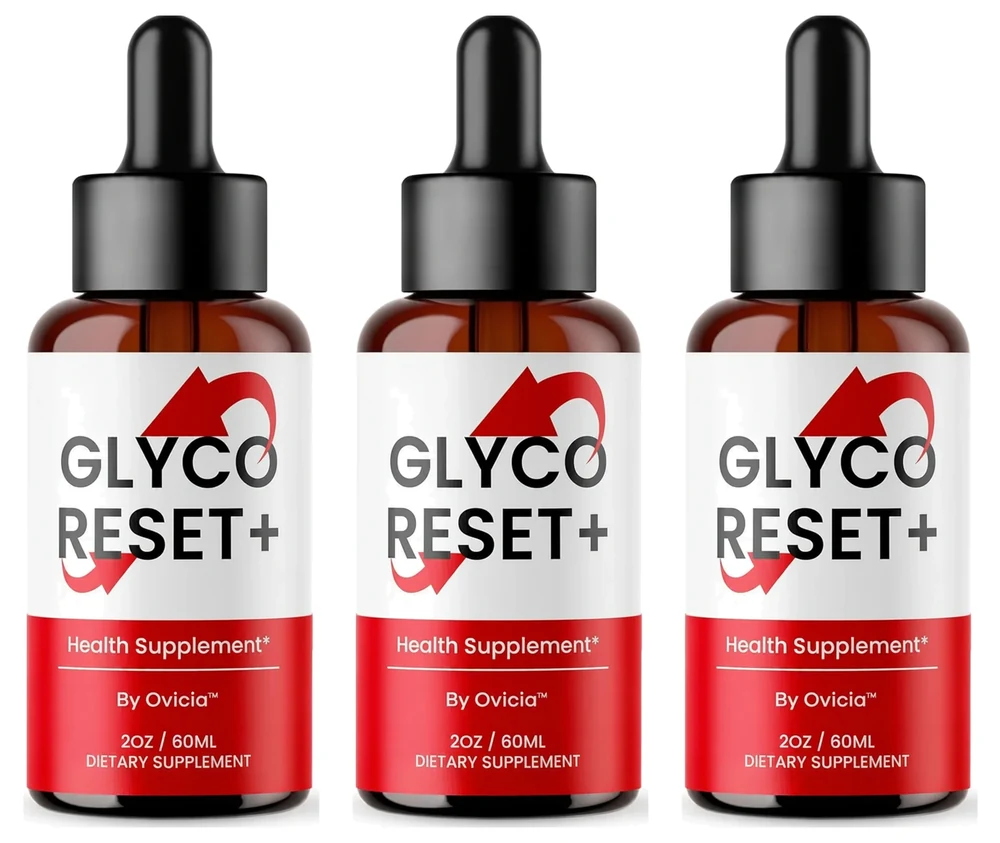
Glyco Reset, on the official website
Liquid drops in a 2 oz / 60 mL bottle, six named ingredients with apple cider vinegar first, taken daily as the label directs. Sixty days from the date of purchase to change your mind.
Order Glyco ResetThe eight-week trial that did measure HbA1c
A 2023 randomised controlled trial gave adults with type 2 diabetes 30 mL of apple cider vinegar a day, alongside standard dietary advice, and compared them with a control group on the same dietary advice alone. Before and after eight weeks, the researchers measured fasting blood glucose, insulin, HbA1c and a lipid panel.
Fasting glucose fell in both groups but only significantly in the vinegar group. HbA1c differed significantly between the two groups after eight weeks. LDL cholesterol fell in the vinegar group, and total cholesterol, the LDL/HDL ratio and the cholesterol/HDL ratio all improved relative to control. This is the kind of trial the postprandial studies are not: weeks long, with HbA1c as a named outcome, in a population already living with type 2 diabetes.
Two limits still apply. It is one trial, in adults with an existing diagnosis, drinking measured whole vinegar rather than any finished supplement; and, as with every study in this article, its population is not the healthy-adult population Glyco Reset is sold to.
A 2021 meta-analysis of the longer trials
A 2021 systematic review and meta-analysis deliberately excluded anything shorter than two weeks, then pooled nine studies, ten study arms, that met that bar. Across the pooled data, ACV consumption was linked to a significant reduction in fasting plasma glucose, HbA1c and total cholesterol. No significant effect turned up for LDL, HDL, fasting insulin or insulin resistance overall.
The review went a step further and split its results by subgroup. A significant reduction in fasting glucose showed up specifically in the studies that ran longer than eight weeks, and a significant reduction in triglycerides and total cholesterol showed up specifically in the subgroup of participants with type 2 diabetes. That kind of subgroup detail is only possible because the trials feeding it ran long enough, and measured consistently enough, to be pooled this way, which the single-meal trials cannot offer.
The paper also reports how much the nine pooled studies disagreed with one another, using a statistic called I², which runs from 0% (no disagreement beyond chance) toward 100% (studies disagree more than chance alone would explain). For fasting plasma glucose, I² was 75%; for HbA1c it was 91%. Both are high. That does not mean the pooled result is wrong, but it does mean the nine underlying trials, run in different countries with different ACV doses, different durations and different baseline populations, were not telling a single uniform story before they were averaged together. A high I² is exactly the kind of detail a single-meal trial has no equivalent for, because there is nothing yet to pool.
The finding that cuts against the simple story
The same 2021 meta-analysis reported something that does not fit a simple "vinegar always lowers glucose" narrative: in the subgroup of apparently healthy participants, without a diabetes diagnosis, ACV intake was linked to an increase in fasting glucose and HDL cholesterol, not a decrease. The authors reported this alongside the favourable pooled result rather than setting it aside, and it is included here for the same reason.
This finding does not overturn the postprandial research on healthy adults, which measured a different outcome over a different timescale. But it is a direct, published caution against assuming that a result found in people with type 2 diabetes, over eight weeks, carries over unchanged to a healthy adult taking something daily over the same stretch of time. Glyco Reset is sold to healthy adults aged 18 and over; the subgroup that most resembles that population, in this one meta-analysis, is the subgroup that did not show the expected direction of effect.

What this means for reading any vinegar claim
Put together, the record looks like this: strong, repeated evidence that vinegar changes the glucose curve after a single meal, mostly in healthy adults, over a couple of hours. Thinner, mixed evidence that vinegar changes fasting glucose and HbA1c over eight weeks or more, drawn mostly from adults with type 2 diabetes, with at least one published finding running the other direction in healthy participants. Zero published evidence, of either kind, on Glyco Reset as a finished liquid-drop product.
A careful claim about apple cider vinegar names which of these two kinds of evidence it is drawing on, names the population the evidence came from, and does not borrow the weeks-long HbA1c language for a same-morning postprandial finding, or the reverse. Readers who want the amount and timing detail behind the postprandial trials should read liquid drops before a meal; readers who want the full dose-response picture should read vinegar and blood sugar after a meal.
Questions readers ask about these gaps
Did any vinegar trial measure HbA1c in healthy adults?
Not in this article’s source list. The 8-week trial with a significant HbA1c result enrolled adults with type 2 diabetes. The 2021 meta-analysis’s healthy-participant subgroup reported fasting glucose rising, not HbA1c specifically, and the studies feeding that subgroup were not run in the healthy-adult population Glyco Reset targets.
Why don’t the single-meal trials just measure HbA1c too?
Because HbA1c reflects roughly three months of average blood glucose, a single test meal cannot move it in a way a same-day blood draw would detect. A trial has to be designed from the outset, with repeat visits over weeks, to say anything about HbA1c at all.
Does the 8-week trial mean Glyco Reset lowers HbA1c?
No. That trial tested 30 mL of whole apple cider vinegar as a daily addition to a diet plan, in adults with type 2 diabetes, not any finished supplement and not healthy adults. No published trial has tested Glyco Reset itself.
Is longer research automatically better research?
Longer is not automatically better; it answers a different question. A single-meal trial is well suited to asking whether an effect exists at all, cheaply and with few participants. An eight-week trial is needed to ask whether fasting glucose or HbA1c moves, and it costs more, in participant time and researcher effort, to run one well. Both kinds appear in this article because both are part of the honest record, and neither substitutes for the other.
Sources cited in this article
- Hadi A, Pourmasoumi M, Najafgholizadeh A, Clark CCT, Esmaillzadeh A. The effect of apple cider vinegar on lipid profiles and glycemic parameters: a systematic review and meta-analysis of randomized clinical trials. BMC Complement Med Ther. 2021;21(1):179. PMID 34187442. https://pubmed.ncbi.nlm.nih.gov/34187442/
- Jafarirad S, Elahi MR, Mansoori A, Khanzadeh A, Haghighizadeh MH. The improvement effect of apple cider vinegar as a functional food on anthropometric indices, blood glucose and lipid profile in diabetic patients: a randomized controlled clinical trial. Front Clin Diabetes Healthc. 2023;4:1288786. PMID 38028980. https://pubmed.ncbi.nlm.nih.gov/38028980/
- Shishehbor F, Mansoori A, Shirani F. Vinegar consumption can attenuate postprandial glucose and insulin responses; a systematic review and meta-analysis of clinical trials. Diabetes Res Clin Pract. 2017;127:1-9. PMID 28292654. https://pubmed.ncbi.nlm.nih.gov/28292654/
- Ostman E, Granfeldt Y, Persson L, Bjorck I. Vinegar supplementation lowers glucose and insulin responses and increases satiety after a bread meal in healthy subjects. Eur J Clin Nutr. 2005;59(9):983-8. PMID 16015276. https://pubmed.ncbi.nlm.nih.gov/16015276/
- National Institute of Diabetes and Digestive and Kidney Diseases, National Institutes of Health. The A1C Test & Diabetes. https://www.niddk.nih.gov/health-information/diagnostic-tests/a1c-test