Blood Sugar and Belly Fat: What Actually Links Them
The waistband tightens, the morning readings creep up, and it is tempting to treat those as two separate annoyances. They are not. Abdominal fat and glucose control are wired into the same feedback loop, each one nudging the other along. Understanding which way the arrows point is what turns a vague sense of "I should sort this out" into a plan with an order of operations.

What links blood sugar and belly fat?
Blood sugar and belly fat are connected through visceral fat, the metabolically active tissue stored deep in the abdomen around the organs. It releases fatty acids and signalling molecules that make the liver and muscle less responsive to insulin, and reduced insulin sensitivity in turn favours storing fat in that same region. It is a loop, not a one-way street, which is why progress on one side usually shows up on the other.
- Visceral fat behaves like an active organ, not inert padding.
- Insulin resistance and abdominal fat reinforce each other.
- Waist measurement often improves before the scale does.
Two kinds of belly fat, and why only one matters much
Not all abdominal fat is the same tissue doing the same job. Subcutaneous fat sits directly under the skin — the part you can pinch. Visceral fat lies deeper, packed between and around the abdominal organs, wrapped through the omentum and the mesentery. A person can carry a soft midsection with relatively little visceral fat, and someone who looks lean can carry a surprising amount of it. This is why appearance is an unreliable guide and why a tape measure beats a mirror.
The distinction matters because the two behave differently. Subcutaneous fat is broadly a storage depot, and within reason a metabolically calm one. Visceral fat is closer to an active endocrine tissue: it turns over fatty acids more readily, it drains directly into the portal vein and therefore delivers those fatty acids straight to the liver, and it secretes a range of signalling molecules including inflammatory cytokines and adipokines. The technical term for the resulting state is low-grade chronic inflammation, and it is the mechanistic bridge between where fat is stored and how well insulin works.
None of this makes visceral fat a villain in a moral sense. It is a normal tissue doing a normal job in an environment — abundant calories, low movement, short sleep — that pushes it well past the amount evolution had in mind.
How blood sugar and belly fat feed each other
Follow the loop in one direction first. As visceral fat accumulates, the liver receives a heavier stream of free fatty acids and inflammatory signals. Fat also begins accumulating inside the liver and inside muscle cells, and this ectopic fat — fat in tissue that was not designed to store it — interferes with insulin signalling. The practical consequence is that the liver becomes less willing to switch off its own glucose production when insulin tells it to, and muscle becomes less efficient at pulling glucose out of the blood after a meal. Glucose stays higher for longer, and the pancreas compensates by producing more insulin.
Now follow it back. Insulin is fundamentally a storage signal. It promotes the uptake of glucose and the storage of fat, and it suppresses the release of fat from adipose tissue. When insulin levels sit chronically high because the body is compensating for reduced sensitivity, the hormonal environment tilts towards storage and away from mobilisation. Add the fact that higher circulating insulin can blunt satiety signalling, and the loop starts to close: more visceral fat, more insulin, easier storage, more visceral fat.
This is why the two are best handled as one problem with two symptoms rather than as separate projects. It is also, encouragingly, why interventions aimed at either side tend to help both.
That loop is usually described from the other end as the early signs of insulin resistance.
Which way does the arrow actually point?
Honest answer: both ways, and the balance differs between people. Genetics strongly influence where an individual stores fat, which is why two people with the same weight can have very different metabolic pictures. Sex hormones matter too — the shift towards more abdominal storage that many women notice after menopause is a hormonal change in fat distribution rather than a failure of willpower. Sleep debt raises evening cortisol and appetite for energy-dense food. Alcohol supplies calories the liver prioritises over everything else. Ageing gradually shifts fat inwards even at stable weight.
The practical upshot is that arguing about causation is less useful than finding the entry point you can actually act on. For most people that is not a supplement and not a single food. It is the boring combination of an energy balance that permits fat loss, enough protein and fibre to make that tolerable, resistance training to protect muscle, movement after meals, and a sleep schedule that is not sabotaging the rest.
Daily support that sits on top of the basics
A glucose formula is the smallest lever in this article — but it is the easiest one to be consistent with. See the current supply options, the named actives and the guarantee terms on the official store.
Check AvailabilityWhat measurably shifts visceral fat, ranked honestly
The table below sorts the common interventions by the strength of the human evidence behind them for abdominal fat and glucose markers together. The ranking is deliberately uncomfortable for anyone selling something in a bottle, this site included.
| Lever | Evidence strength | Typical time to see change | Effort and cost |
|---|---|---|---|
| Sustained energy deficit | Strong — the primary driver of fat loss | Weeks to months | High effort, low cost |
| Resistance training | Strong for preserving muscle and glucose disposal | 6–12 weeks | Moderate effort, low cost |
| Post-meal walking | Good for post-meal glucose response | Immediate per meal | Low effort, free |
| Adequate sleep | Good — short sleep worsens insulin sensitivity | Days to weeks | Low cost, often hard |
| Higher protein and fibre intake | Good for satiety and post-meal curve | Weeks | Low effort, moderate cost |
| Reducing alcohol | Moderate to good, especially for liver fat | Weeks | Varies |
| Glucose support supplements | Modest, ingredient-dependent, on glucose markers only | 8–12 weeks | Low effort, ongoing cost |
Read that bottom row carefully, because it is the one most likely to be misrepresented elsewhere. Ingredients such as berberine, chromium, cinnamon and gymnema have been studied for their effect on glucose and insulin markers. They have not been shown to remove abdominal fat, and describing them as fat burners misstates what the research measured.
The cheapest entry on that list is movement, and walking after meals to lower blood sugar is the easiest version to start.
Visceral fat is the hinge between what you eat and how your body handles glucose. Move the hinge and both doors swing. Polish the handle and nothing much happens.
The measurements worth taking
Scales are a poor instrument here because they cannot distinguish muscle from fat, or fat under the skin from fat around the liver. Three cheap measurements do better. The first is waist circumference, taken with a soft tape at the level of the navel, unforced, at the end of a normal exhale — the same way every time, ideally in the morning. The second is waist-to-height ratio, a widely used screening rule of thumb where the target is a waist under half your height. The third is a photograph and a set of clothes that fit, which sounds unscientific and captures composition change better than a single number.
Pair those with glucose markers rather than substituting one for the other. A fasting reading, a repeat HbA1c through your doctor at sensible intervals, and if you use one, the pattern on a continuous monitor. Change in waist alongside a change in fasting average is a far more convincing signal than either alone. Our early signs checklist covers the other markers worth noticing before anything shows up on a blood test.
Sleep belongs in the same audit, because sleep, stress and cortisol move both numbers at once.
Where supplements honestly fit
With all of the above established, the fair position on supplementation is narrow but real. Several glucose-support ingredients have human evidence for modestly supporting glucose and insulin markers, with berberine carrying the strongest research base of the common botanicals and chromium the best-supported mineral. That is a genuine, if modest, contribution to one side of the loop described above. What none of them do is remove fat, and what none of them can do is outrun a dietary pattern that keeps refilling the tank.
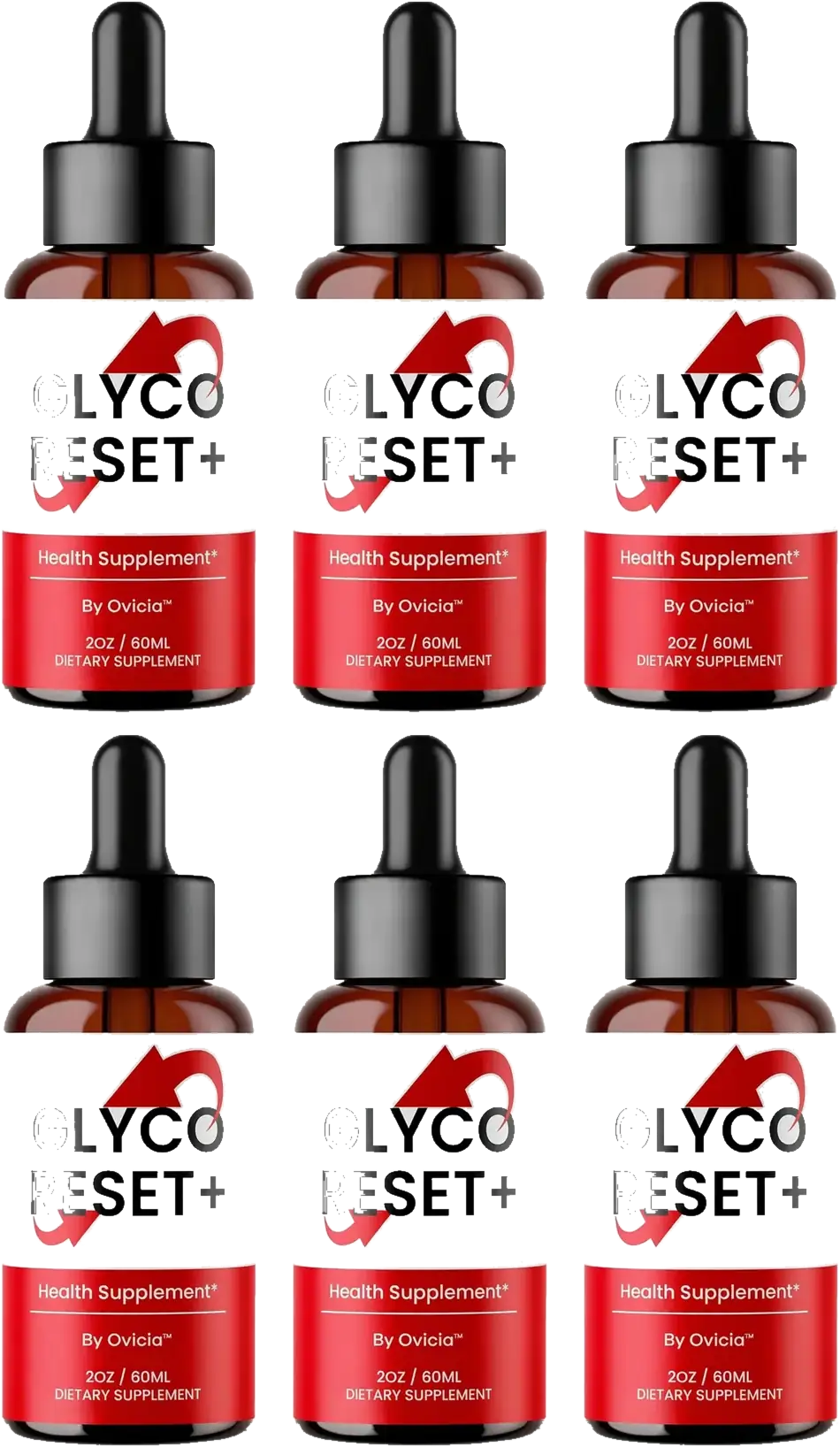
The sensible way to use a formula such as Glyco Reset is therefore as daily support layered on top of the levers in the table, during a period when you are actually pulling those levers. Buying a bottle instead of changing anything else is the most common mistake in this category and the most predictable disappointment. If you are comparing options for the best supplement for blood sugar balance, weigh the named actives and their amounts rather than the strength of the promises, and treat any product claiming to target belly fat directly as a claim the evidence does not support.
One more practical note for anyone shopping: this is a category with a lot of noise, and the question of where to buy weight loss supplements safely deserves a straight answer. Buy from the official store or a retailer you can verify, check that the actives are named with amounts rather than hidden in a proprietary blend, and read the guarantee terms before the marketing copy.
What this cannot do
Everything above describes support and mechanism, not treatment. Nothing here diagnoses, treats, prevents or reverses any condition, and no supplement discussed on this site does either. Abdominal obesity and impaired glucose regulation are clinical matters that belong with a doctor, particularly if you have a family history, if readings are outside the normal range, or if you take medication that affects blood sugar.
There are also real limits to self-measurement. A tape measure cannot tell you how much of your abdominal fat is visceral; only imaging can do that properly, and it is rarely warranted. Waist thresholds vary by sex and ethnic background, and a single number lifted from an article is not a diagnosis. Progress is rarely linear, water retention masks fat loss for weeks at a time, and stress or illness can stall both markers at once without meaning anything has gone wrong. Expect a noisy signal, judge over months, and treat any product that promises otherwise with the scepticism it has earned.
Frequently asked questions
What is the link between blood sugar and belly fat?
Fat stored deep in the abdomen around the organs, called visceral fat, is metabolically active. It releases fatty acids and signalling molecules that make it harder for the liver and muscle to respond to insulin, and reduced insulin sensitivity in turn favours fat storage in that same area. The two conditions reinforce each other rather than one simply causing the other.
Can you lose belly fat specifically?
You cannot choose where fat comes off, and no exercise targets a region. The useful news is that visceral fat tends to be among the earlier fat to mobilise when someone is in an energy deficit and moving more, so waist measurement often improves before the scale shows much. That is a pattern, not a promise, and it varies between individuals.
Do supplements reduce belly fat?
No supplement removes abdominal fat, and any product marketed that way is overstating what the evidence supports. Glucose support ingredients are studied for their effect on markers such as fasting glucose and insulin sensitivity, not for fat loss. They sit on top of diet, activity, sleep and alcohol intake, which are the levers that actually move body composition.
What waist measurement should I be watching?
Waist-to-height ratio is a simple and widely used screening tool: measure your waist at the navel and aim for a figure below half your height. Health authorities also use absolute waist thresholds that differ by sex and ethnic background. Any waist measurement is a screening signal, not a diagnosis, and interpretation belongs with a clinician.
References
Related reading
- Blood Sugar Supplements for Women: What to Know First
- Walking After Meals to Lower Blood Sugar
- Insulin Resistance: Early Signs Checklist
Support the glucose side while you work on the rest
See the full ingredient list with the named actives, the current bundle pricing and the money-back guarantee on the official store.
Order Now