Blood Sugar Supplements for Women: What to Know First
Walk down the supplement aisle and half the glucose formulas seem to come in two versions: one in dark blue, one in rose gold. The contents are usually the same. What genuinely differs for women is not the capsule but the context around it — life stage, iron status, the cautions that apply, and how to read a test result that these things quietly distort.

Are blood sugar supplements different for women?
In terms of ingredients, almost never — most blood sugar supplements for women contain the same botanicals and minerals as any other glucose formula, in the same amounts, behind different packaging. What actually differs is the context you take them in: pregnancy and nursing rule several ingredients out entirely, iron status can distort an HbA1c result, and the change in fat distribution around menopause alters the metabolic picture. Judge the label, not the colour of the bottle.
- Sex-specific formulas are usually marketing, not chemistry.
- Pregnancy and nursing take this category off the table.
- Low iron can make an HbA1c result read misleadingly.
What is genuinely different, and what is just packaging
Start with the disappointing part. The glucose-support ingredients with the best evidence behind them — berberine, chromium, cinnamon, gymnema, banaba — were studied in mixed populations, and the trials were not designed to produce sex-specific dosing. There is no established reason to think a woman needs a different amount of chromium for glucose support than a man of similar size. When a product is marketed as a women's formula, the difference is most often the label art, occasionally the addition of a common multivitamin nutrient such as folate or iron, and rarely anything to do with the glucose actives themselves.
That said, three things really are different and none of them appear on a supplement facts panel. The first is life stage. Pregnancy, nursing and the perimenopausal transition each change what is safe, what is useful, and what a measurement means. The second is baseline nutrient status: iron deficiency is markedly more common in menstruating women, and it has a direct and underappreciated effect on how HbA1c reads. The third is medication context — hormonal contraception, thyroid medication and treatments prescribed for hormone-related conditions all sit in the same body as any supplement you add, and interactions are a pharmacist question rather than an internet question.
So the practical framing is not "which formula is designed for me" but "which formula is honest about its amounts, and which cautions apply to my situation right now".
Blood sugar supplements for women: how to read the label
Label literacy does more for outcomes here than any gendered marketing claim. Four things are worth checking before anything else.
First, are the actives named individually with their own amounts — measured against the reference intakes for a mineral such as chromium — or bundled into a proprietary blend? A blend lists ingredients in descending order by weight but hides the split, which means an impressive-sounding botanical can legally be a sliver of the total. Second, do those amounts sit anywhere near what the research used? An ingredient present at a tenth of a studied amount is decoration. Third, is there evidence of quality control — third-party testing, a GMP-registered facility, batch numbers? Supplements are regulated as food rather than medicine in most markets, so the burden of verification sits with the buyer. Fourth, read the other ingredients line: sweeteners, alcohol carriers in liquid products, and common allergens all live there.
Only after those four would we look at anything else. People searching for the best blood sugar support vitamins often end up comparing brand stories, when the difference that matters is printed in six-point type on the back of the box.
Read the actual ingredient panel first
Named actives, an honest amount, a facility you can check and clear guarantee terms — all of it should be visible before you buy. See the current label and supply options on the official store.
Among the minerals on that panel, the magnesium and blood sugar connection is the one most often under-eaten.
Check AvailabilityIngredient cautions worth knowing
The table below covers the botanicals and minerals most likely to appear in a glucose formula, what the human evidence supports, and the caution that matters most. Several of these apply to everyone; the pregnancy and nursing column is where the difference becomes concrete.
| Ingredient | Evidence on glucose markers | Main caution | Pregnant or nursing |
|---|---|---|---|
| Berberine | Strongest of the common botanicals | Interacts with several medications; digestive upset | Avoid |
| Chromium | Modest, better where intake is low | Generally well tolerated at usual amounts | Ask a clinician |
| Cinnamon | Mixed and inconsistent | Cassia contains coumarin; extract type matters | Ask a clinician |
| Gymnema | Promising but limited | May add to glucose-lowering medication | Avoid without advice |
| Banaba leaf | Early stage, small trials | Limited long-term safety data | Avoid without advice |
| Bitter melon | Some data, inconsistent results | Traditionally cautioned in pregnancy | Avoid |
| Licorice root | Not a glucose active in most formulas | Can raise blood pressure and lower potassium | Avoid |
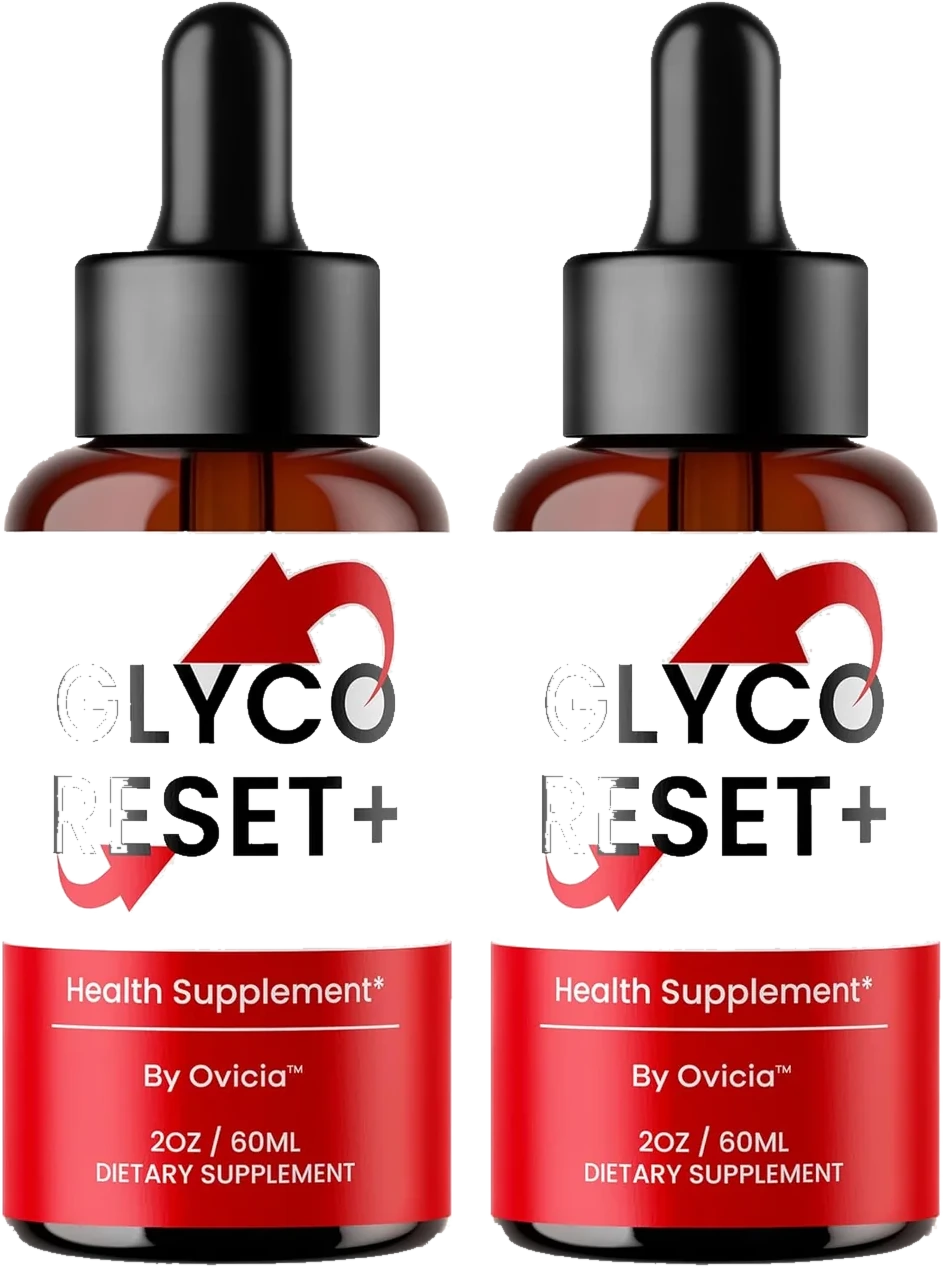
Licorice deserves the extra flag because it is easy to overlook as a flavour ingredient. Prolonged or heavy intake of glycyrrhizin-containing licorice is a recognised cause of raised blood pressure and low potassium, which matters if you already monitor blood pressure or take a diuretic. If you want the full ingredient-by-ingredient picture for one specific formula, the Glyco Reset ingredient breakdown lists what is in the bottle and where the evidence is thin.
The most useful question is not which supplement is designed for women. It is which cautions apply to you this year, and whether the label is honest enough to let you check.
Cycle, pregnancy and the menopausal transition
Hormonal context changes both the biology and the measurement. Across the menstrual cycle, shifts in oestrogen and progesterone are associated with small changes in insulin sensitivity in some people, and appetite and craving patterns commonly change in the luteal phase. None of that is a problem to be fixed with a capsule, but it does affect how you interpret readings: comparing one week against another can produce a difference that has nothing to do with what you swallowed. Comparing monthly averages, or the same cycle phase across months, is fairer.
Pregnancy and nursing are the clearest boundary in this article. Berberine should be avoided, bitter melon has traditional cautions against it, and most glucose botanicals simply have no safety data in these groups — which is a reason to abstain rather than a reason to assume they are fine. Glucose management in pregnancy is a clinical matter that belongs entirely with a midwife or doctor.
The perimenopausal transition brings a different set of changes. Declining oestrogen is associated with a shift in fat storage towards the abdomen, and abdominal fat is the tissue most closely tied to insulin sensitivity. Many women notice that the same diet and the same activity produce a different waistline and different readings than they did a decade earlier. That is a real physiological change rather than a personal failing, and it is also the point at which the underlying levers — resistance training, protein intake, sleep — pay their largest dividends. We covered that loop in detail in blood sugar and belly fat.
Shifts across those stages are one reason the early signs of insulin resistance can be easy to misread.
Iron, HbA1c and a test result that can mislead
This is the most practically useful thing on the page and it is rarely mentioned in supplement marketing. HbA1c measures glucose attached to haemoglobin over the lifespan of the red blood cell, so anything that alters red cell turnover alters the result independently of your actual glucose. Iron deficiency, which is considerably more common among menstruating women, is associated with HbA1c readings that run higher than the underlying glucose would justify. Recent blood loss, pregnancy, and treatment that increases red cell production can push it the other way.
The consequence is that a woman with unrecognised low iron can receive a result that looks worse than her true picture, and could then attribute an apparent improvement to a supplement when the real change was iron repletion. If you are using HbA1c to judge anything — a diet, a routine, a product — it is worth knowing your ferritin and full blood count alongside it. That is a conversation with a doctor, and it is a better use of money than another bottle.
Quality signals worth paying for
Once the cautions are handled, quality is where the remaining difference lies. Third-party testing is the strongest signal available to a consumer, because it means someone outside the company verified identity and purity. Manufacture in a GMP-registered facility is a meaningful baseline. Named actives with individual amounts, as covered above, tell you the company is willing to be judged on its formulation. A clear returns policy with a stated window tells you they expect people to evaluate the product rather than forget the subscription.
Ignore, or at least heavily discount, the things that cost nothing to claim: proprietary-sounding trademarks around ordinary ingredients, unverifiable satisfaction figures, countdown timers, and any suggestion that a formula was designed for a specific gender when the actives are identical to the unisex version. If you are comparing the best chromium supplement for blood sugar alongside multi-botanical liquids, compare on the same four criteria and the shortlist gets short quickly.
What these products cannot do
Every product in this category is a dietary supplement, which means it is not intended to diagnose, treat, cure or prevent any disease — and nothing here should be taken as a suggestion that it does. Glucose support ingredients are studied for modest effects on markers in generally healthy people. They are not a treatment for diabetes, they do not replace prescribed medication, and they cannot manage a condition diagnosed by a doctor.
They also cannot compensate for the things that dominate the picture. Sleep, alcohol, protein and fibre intake, resistance training and total energy balance move glucose markers far more than any capsule, and a supplement taken instead of those changes tends to disappoint. Add to that the honest caveat that evidence in this category is variable in quality, that effect sizes are usually modest, and that some of the ingredients on the average label — juniper berry being a good example, which we examined in our piece on juniper berry blood sugar support — have little human evidence behind them at all.
Finally, if you have a diagnosed hormonal or metabolic condition, or you take medication that affects blood sugar, this decision is not one to make from an article. Take the label to a pharmacist. It is a five-minute conversation that is free, and it is the single most useful thing in this entire guide.
Much of the marketing aimed at women recycles the standard blood sugar supplement myths in softer language.
Frequently asked questions
Are blood sugar supplements different for women?
The active ingredients are usually identical. Glucose support botanicals such as berberine, cinnamon and gymnema were not studied in sex-specific formulations, and a pink label rarely signals a different formula. What genuinely differs is context: pregnancy and nursing rule several ingredients out, iron status can distort HbA1c readings, and body composition shifts around menopause change the metabolic picture.
Can you take a blood sugar supplement while pregnant or nursing?
No, not without medical supervision. Berberine in particular should be avoided in pregnancy and while nursing, and most glucose botanicals have no safety data in these groups at all. Anyone pregnant, nursing or trying to conceive should treat this whole category as off the table unless a doctor says otherwise.
Does the menstrual cycle affect blood sugar readings?
It can. Shifts in oestrogen and progesterone across the cycle are associated with small changes in insulin sensitivity for some people, and appetite and cravings commonly change too. If you are tracking readings to judge a supplement, compare the same phase across months rather than week to week, or use monthly averages instead.
What should women check on a glucose supplement label?
Look for named actives with individual amounts rather than a proprietary blend, an amount comparable to what research used, third-party testing or a GMP-registered facility, and a clear list of everything else in the bottle. Then check the specific cautions: licorice root affects blood pressure and potassium, and berberine interacts with several medications.
References
Related reading
- Juniper Berry Blood Sugar Support: The Real Evidence
- Chromium Picolinate and Insulin Sensitivity
- Magnesium and Blood Sugar: The Insulin Link
Check the label, the facility and the guarantee
All three are on the official store page, along with current supply options. Take the ingredient list to your pharmacist if you take any regular medication.
Order Now