Blood Sugar Supplement Myths and What to Know Instead
The supplement aisle is loud, and blood-sugar products are among the loudest. Some of what you hear is grounded in real research; a lot of it is wishful thinking dressed up as science. Here are the myths worth clearing up so you can set expectations that survive contact with reality.
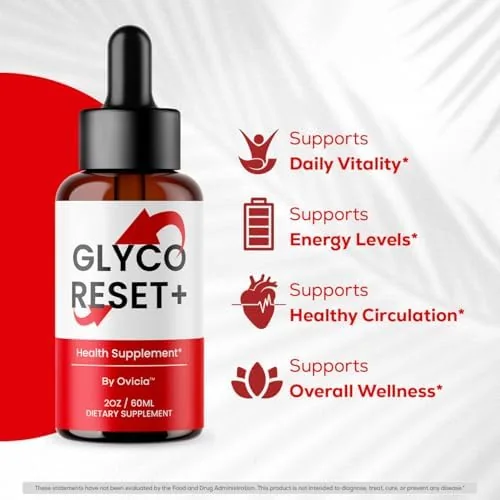
Can blood sugar supplements reverse diabetes?
No. No supplement can reverse or cure diabetes, and honest labels will not claim it. Well-studied ingredients may offer modest support for healthy glucose metabolism alongside diet, activity, sleep and medical care. Treat supplements as one small helper within a bigger routine, never as a replacement for treatment or professional guidance.
- "Reverses diabetes" is a marketing red flag, not a benefit.
- More milligrams is not automatically more effective.
- Natural does not mean risk-free, especially with medication.
Myth 1: A supplement can reverse or cure diabetes
This is the big one, and it is worth being blunt. No pill, powder or liquid on the market can reverse or cure diabetes — and that includes the liquid dropper formulas currently taking over this shelf. Diabetes is a complex condition involving how the body produces and responds to insulin, and its management is a medical matter that belongs with a qualified clinician — which is why a dietary supplement is barred from making that claim at all. When a product's marketing leans on words like "reverse," "cure" or "end" a condition, that is not a sign of a breakthrough — it is a sign to be cautious, because those claims are exactly the kind that regulators warn against.
What responsible ingredients can do is far more modest. Some well-studied compounds may support healthy glucose metabolism or insulin sensitivity by small margins, usually alongside genuine lifestyle change. That is a meaningful thing to talk about honestly. It is also a completely different claim from "fixing" a disease. If you read a promise that sounds too good to be true, it almost certainly is, and the more dramatic the headline, the more skeptical you should be.
The practical takeaway: expect support, not a rescue. A supplement might be one small tailwind. It will never do the work that food, movement, sleep and, where prescribed, medication do. Anyone managing diabetes should keep their care team in the loop before adding anything new.
The comparison people reach for, berberine versus metformin, is where this myth usually starts.
Myth 2: If it is natural, it must be safe
Natural is a comforting word, but it is not a safety guarantee. Plenty of natural substances are powerful precisely because they are biologically active — and anything active enough to nudge blood sugar is active enough to cause problems in the wrong context. The logic that trips people up is simple but wrong: "it comes from a plant, so it can't hurt me." Foxglove comes from a plant, too.
With blood-sugar ingredients specifically, the most common issue is additive effect. If a botanical genuinely lowers glucose, and you are also taking a medication that lowers glucose, the two can stack in a way you did not plan for. Others may cause digestive upset, interact with thyroid or blood-thinning medication, or simply have too little safety data in pregnancy and breastfeeding to be worth the risk. None of that means natural ingredients are bad. It means they deserve the same respect you would give anything with real effects.
The sensible habit here is boringly reliable: read the full label, start at the lower end of the range, introduce one new thing at a time so you can tell what does what, and check with a doctor or pharmacist before combining supplements with any prescription. "Natural" is a description of origin, not a promise of harmlessness.

Myth 3: More milligrams means more benefit
There is a stubborn belief that if a little helps, a lot must help more. For most nutrients and botanicals, that is simply not how the body works. Ingredients tend to have a studied range where any benefit shows up, and beyond that range the curve flattens — you get diminishing returns, then no returns, and eventually a rising chance of side effects. A label boasting an eye-watering milligram count is often marketing theatre rather than a better product.
Take a common example: an antioxidant studied at, say, 300 to 600 mg per day does not become twice as useful at 1,200 mg. What often does increase is stomach upset, and with glucose-active ingredients, the risk of pushing blood sugar lower than you intended. "Clinically studied dose" is a more useful phrase than "maximum strength," because it points to the amount that was actually tested rather than the amount that sounds impressive.
So when you compare products, do not reward the biggest number. Look for amounts that sit inside the ranges used in real research, and be wary of proprietary blends that hide how much of each ingredient you are actually getting. More is not better; the right amount is better.
Dose only matters against evidence, which is the point of grading the best blood sugar supplement ingredients one by one.
Myth 4: One pill can replace a healthy diet
This myth is seductive because it promises to make the hard part optional. It cannot. The factors that move blood sugar the most are the unglamorous ones: the quality and quantity of the carbohydrates you eat, how much fibre and protein come along with them, whether you move after meals, how you sleep, and your overall body weight. No capsule offsets a diet built on refined carbohydrates and sugary drinks, and no supplement outruns a fork.
Think of it as leverage. A supplement, at best, is a small lever on a system that food and activity control at scale. If the foundations are shaky, adding a supplement is like tightening one bolt on a wobbling table — technically an improvement, practically irrelevant. But when the foundations are solid, a well-chosen supplement may add a little extra support at the margins. The order matters: build the base first, then decide whether a supplement earns its place on top.
The honest frame is simple. Supplements are supporting actors in a story where diet, movement, sleep and medical care are the leads. Any product that casts itself as the hero is selling you a plot that does not hold up.
Myth 5: Results should be instant
Fast-acting language sells, but metabolism does not work on a stopwatch. Where studied ingredients show any effect, it usually emerges gradually over weeks of consistent use, layered on top of habit change — not overnight. If you take something for three days, feel nothing, and quit, you have not really tested it. Conversely, if a product promises you will "feel it working" within hours, treat that as a marketing signal rather than a mechanism.
Consistency and patience are the boring virtues that actually matter. Take a supplement at a similar time each day, keep the rest of your routine steady so you can judge fairly, and give any change a reasonable window before deciding. Manage the expectation up front and you will avoid both disappointment and the temptation to chase ever-bigger doses.
A realistic clock helps here, and the marker-by-marker account of how long blood sugar supplements take to work supplies one.
What realistic expectations look like
Put the myths together and a sane mental model emerges. A blood-sugar supplement is a small, optional layer of support that sits on top of the real foundations. Some ingredients have decent evidence for modest help; others are mostly hope. The best you can reasonably expect is a gentle assist, and only when the basics are already in place. That is not a disappointing conclusion — it is a liberating one, because it tells you where your effort actually pays off.
If you do choose to try a formula, choose it the way a skeptic would: look for transparent labels with real amounts, ingredients that show up in the research rather than the ad copy, and a company that talks in careful language rather than miracle claims. Keep your clinician informed, especially if you take medication, and judge the product on modest terms. A supplement that quietly supports a good routine is doing its job. One that promises to save you from your habits is not a product — it is a story.
Frequently asked questions
Can supplements reverse diabetes?
No. No supplement can reverse or cure diabetes, and any product that claims otherwise is making a promise it cannot honestly keep. Some well-studied ingredients may modestly support healthy glucose metabolism, but they work alongside diet, activity, sleep and prescribed medical care rather than replacing any of it.
Are natural blood sugar supplements always safe?
Not automatically. Natural does not mean risk-free. Ingredients that genuinely affect glucose can also interact with diabetes medication, cause stomach upset or be inappropriate in pregnancy. The safest approach is to read the label, start low, and check with a doctor or pharmacist, especially if you take any medication.
Is a higher dose always more effective?
No. More milligrams is not automatically better and can increase the risk of side effects or additive glucose-lowering. Most ingredients have a studied range where benefits plateau. Doubling a dose rarely doubles any effect and may simply raise the chance of stomach upset or an unwanted drop in blood sugar.
Do supplements work without diet changes?
A supplement is support, not a substitute. No capsule can offset a diet built on refined carbohydrates and sugary drinks. The foundations that move blood sugar most are food quality, portion size, regular movement, sleep and weight. Supplements can sit on top of those habits, but they cannot replace them.
References
Related reading
- The Best-Studied Blood Sugar Supplement Ingredients
- Apple Cider Vinegar Before Meals and Glucose
- Building a Natural Blood Sugar Routine with Glyco Reset
See how Glyco Reset talks about its formula
Check the current sale pricing, the full label and the 60-day money-back guarantee on the official store — and judge the claims for yourself.
Order Now