Best Blood Sugar Supplement Ingredients by Evidence
The blood-sugar supplement aisle is a wall of confident promises. Underneath the marketing, a handful of ingredients do have real research behind them — and many others are along for the ride. This is an honest, evidence-graded map: which ingredients have the strongest support, which have some, and how to tell whether a product actually contains a meaningful dose.
Which blood sugar supplement ingredients have the best evidence?
Berberine and chromium have the strongest research for supporting glucose metabolism, with alpha-lipoic acid, gymnema, cinnamon and banaba showing solid but more modest support. Effects are small next to diet, movement and any prescribed treatment, and proprietary blends often hide how much of each ingredient you actually get, so dose transparency matters as much as the ingredient list.
- Strongest: berberine and chromium have the deepest evidence base.
- Solid, modest: ALA, gymnema, cinnamon and banaba have supportive research.
- Watch the label: proprietary blends hide per-ingredient doses — demand transparency.
By the GlycoReset Editorial Team · Updated 9 August 2026 · ~9 min read
How to read an evidence grade
Before the list, a word on what "evidence" means here, because the word gets abused. The strongest signal comes from randomised controlled trials and, better still, meta-analyses that pool many trials together. Weaker signals come from small studies, animal or test-tube research, or mechanism arguments that sound plausible but have not been demonstrated in people. An ingredient can have a compelling mechanism and still fail to do much in a real trial, so we grade on human results, not on how good the story sounds.
Two honest caveats apply to everything below. First, effect sizes for supplements are generally small compared with the big levers — diet, physical activity, sleep, and any treatment a doctor has prescribed. Second, none of these ingredients is a cure or a treatment for any disease; the accurate framing is support for glucose metabolism alongside good habits. Keep both in mind as you read.
Strongest evidence
Berberine
Berberine is the standout, with multiple randomised trials pooled by meta-analysis. A plant alkaloid found in barberry, goldenseal and related plants, it has been studied in numerous randomised trials and several meta-analyses for its effects on glucose and lipid markers, and it consistently shows a meaningful signal. Its headline mechanism is activation of AMPK, an enzyme sometimes called a master regulator of cellular energy, which is associated with improved insulin sensitivity and glucose uptake. The main practical wrinkles are that it absorbs poorly and clears quickly, so it is dosed in divided amounts across the day, and that it can cause digestive upset and interact with medications. Of everything in the category, berberine has the deepest and most credible evidence base.
Chromium
Chromium is an essential trace mineral involved in the action of insulin, and it has a long research history for glucose support, most often studied as chromium picolinate. The evidence is genuinely solid, though it comes with an important nuance: the benefit appears clearest in people who are actually low in chromium, and less dramatic in those who are already replete. That makes it a sensible, well-tolerated cofactor rather than a powerhouse. It is one of the better-supported minerals in the category and a common, reasonable inclusion.
Berberine’s grade depends heavily on getting the berberine dose and timing close to what the trials actually used.
Solid but more modest evidence
Alpha-lipoic acid (ALA)
ALA is an antioxidant compound the body makes in small amounts. It has a reasonable body of human research around glucose metabolism and insulin sensitivity, and it is perhaps best known for study in nerve-related comfort, though that is a separate conversation from blood sugar itself. The blood-sugar evidence is supportive rather than spectacular, which places it firmly in the solid-but-modest tier.
Gymnema sylvestre
Gymnema is a herb with a long traditional history and a memorable quirk: it can temporarily blunt the perception of sweetness on the tongue, which is why it is sometimes called the "sugar destroyer". Human research on its glucose effects is promising but generally smaller and of more variable quality than the evidence for berberine or chromium. It is a reasonable inclusion with a plausible role, held back mainly by the size and consistency of the trials.
Cinnamon
Cinnamon is the ingredient everyone has heard of, and the reality is more measured than the headlines. Some trials show modest improvements in fasting glucose; others show little. The type of cinnamon matters, and results are genuinely mixed. There is also a safety footnote: common cassia cinnamon contains coumarin, which in large ongoing doses is not ideal for the liver, so Ceylon cinnamon is often preferred for supplementation. A fair verdict is "possibly helpful, in modest amounts, don't overdo it".
Banaba (corosolic acid)
Banaba leaf, and its active corosolic acid, has a smaller but real evidence base for supporting post-meal glucose. The trials are fewer and generally shorter than for the leaders, so it sits at the more preliminary end of the solid tier — a legitimate supporting ingredient rather than a proven heavyweight.
Chromium is the clearest of these, and the case for chromium picolinate and insulin sensitivity is worth reading in full.
The proprietary blend problem
Here is the part that matters more than any single ingredient, and it is where most of the aisle falls down. A proprietary blend lists several ingredients grouped together under one combined weight — say, "Glucose Support Blend, 800 mg" — without telling you how much of each ingredient is inside. That sounds like a trade secret worth protecting. In practice it is usually a way to make a label look impressive while spending almost nothing on the ingredients that matter.
The trick is simple. A blend can lead with berberine and chromium on the label, then fill most of that 800 mg with cheap filler and include only a token dust of the actives — far below the amounts any study used. This is often called "fairy dusting". Because the per-ingredient split is hidden, you have no way to know, and no way to compare the product against the research or against a competitor. An ingredient present at a fraction of its studied dose is, for practical purposes, decorative.
How to judge a dose like a sceptic
The defence is straightforward once you know what to look for. A trustworthy label states the exact milligram amount of each active ingredient per serving, not just a blend total. With those numbers in hand you can do the one thing that separates a real product from a decorative one: compare the label dose against the doses used in published studies. If a product hides behind a proprietary blend, treat that as a reason for scepticism, not a badge of sophistication.
A few more checks sharpen the picture. Note the serving size — a low per-capsule dose can be dressed up by requiring several capsules a day. Check the form of the ingredient, since forms differ in how much active compound they deliver. And be wary of enormously long ingredient lists: cramming twenty botanicals into one capsule almost guarantees that none of them is present at a meaningful amount. Fewer ingredients at honest, disclosed doses beats a crowded blend every time.
Applied honestly, that test is unkind to minor botanicals such as juniper berry for blood sugar.
The ingredient matters, but the dose you can actually verify matters more. A short list of well-studied ingredients at transparent, clinically relevant amounts beats a long, secretive blend — every single time.
Where these ingredients honestly fit
Step back and keep the perspective straight. Even the best-evidenced ingredients here produce small effects next to the foundations: what you eat, how you sequence and pair it, whether you move after meals, how you sleep, and any treatment your doctor has prescribed. A well-formulated supplement can be a reasonable complement sitting on top of that foundation for people who want one — it is not, and should not be sold as, a replacement for the basics or a treatment for any condition.
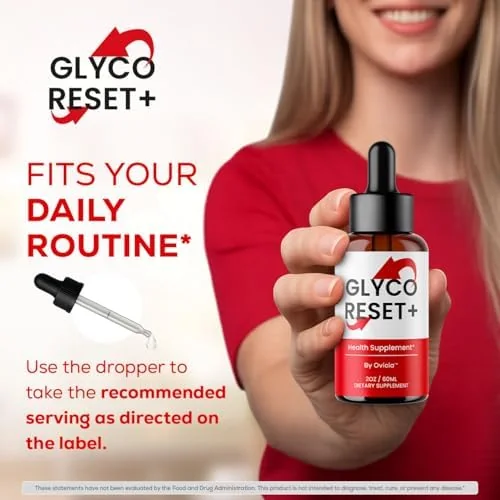
This is exactly the lens we apply to a product like Glyco Reset: not "does it promise a lot" but "does it contain well-studied ingredients at doses it is honest about". Judge any blood-sugar supplement, ours or anyone’s, by that standard, whatever format it arrives in — the same questions apply to a capsule and to a liquid dropper formula. And crucially, these products do not replace medication — if you take a glucose-lowering drug, some of these ingredients can add to its effect, so talk to your doctor before combining them so your treatment can be monitored safely.
References
- NIH NCCIH — Diabetes and Dietary Supplements
- NIH Office of Dietary Supplements — fact sheets
- Berberine in the treatment of type 2 diabetes mellitus: a systematic review and meta-analysis. Evid Based Complement Alternat Med, 2012 (PMID 23118793)
- PubMed — berberine and glycemic control meta-analyses
- Systematic review and meta-analysis of the efficacy and safety of chromium supplementation in diabetes. J Clin Pharm Ther, 2014 (PMID 24635480)
- PubMed — chromium and glucose metabolism
- The effect of cinnamon supplementation on glycemic control in type 2 diabetes: an updated dose-response meta-analysis. Phytother Res, 2024 (PMID 37818728)
- PubMed — cinnamon and fasting glucose trials
Supplement ingredient questions
Which blood sugar supplement ingredients work best?
By weight of evidence, berberine and chromium have the strongest research behind them for supporting glucose metabolism, with alpha-lipoic acid, gymnema, cinnamon and banaba showing solid but more modest support. None of them is a miracle or a cure, and effect sizes are generally small compared with diet, exercise and any prescribed treatment. Think of these ingredients as support for healthy habits, not a replacement for them.
What is a proprietary blend and why does it matter?
A proprietary blend lists several ingredients together under one total weight without disclosing how much of each is inside. That matters because a blend can look impressive while containing only a sprinkle of the active ingredients, an amount far below what studies used. Without per-ingredient doses you cannot compare a product to the research or to a competitor, so blends that hide their doses deserve scepticism.
How do I judge supplement dosing?
Look for a label that states the exact milligram amount of each active ingredient per serving, then compare those figures with the doses used in published studies. A transparent label showing clinically studied amounts is a good sign; a proprietary blend that hides the split is not. Also check the serving size and the form of the ingredient, since these affect how much you actually get.
Do blood sugar supplements replace medication?
No. Blood-sugar supplements are not a substitute for prescribed medication, and stopping or reducing medication on your own can be dangerous. These ingredients are studied for support of glucose metabolism, not as treatments for any disease. If you take glucose-lowering medication, some ingredients can add to its effect, so speak with your doctor before combining them so your treatment can be monitored safely.
Related reading
Want to see Glyco Reset's ingredients and doses?
See the full ingredient breakdown, the per-serving amounts, current pricing and the 60-day guarantee — laid out plainly.
Order Now