Gymnema Sylvestre for Sugar Cravings and Glucose Control: What the Evidence Shows
Gymnema sylvestre earned the nickname "sugar destroyer" for a reason you can feel within seconds — it temporarily switches off sweet taste. Here is the honest picture of what that does for cravings, what the research says about glucose, and how it is dosed in formulas like Glyco Reset.

Does gymnema sylvestre help with sugar cravings and blood sugar?
Gymnema sylvestre, nicknamed the sugar destroyer, contains gymnemic acids that briefly blunt sweet taste and may reduce sugar absorption in the gut. Small older studies suggest gentle support for glucose control. It works best as a craving and lifestyle aid, not as a treatment, and it does not replace diet, exercise or medication.
- The taste-blocking effect lasts roughly 15 to 60 minutes.
- Studies commonly use about 200 to 400 mg of standardised extract.
- May add to glucose-lowering effects, so coordinate with your doctor if medicated.
What gymnema sylvestre is
Gymnema sylvestre is a woody climbing plant native to the forests of India, Africa and Australia. Its leaves have been used in Ayurvedic tradition for a very long time, and its Hindi name, gurmar, translates roughly to "sugar destroyer." That name is not marketing invention — it describes a genuine, reproducible effect on taste that anyone can experience by chewing a leaf. Modern supplements deliver it as a dried leaf powder or, more often, as a standardised extract measured by its content of the active compounds, the gymnemic acids.
What makes gymnema interesting is that it has two separate stories. One is about taste and behaviour — the immediate, almost theatrical way it mutes sweetness. The other is about metabolism — the slower, more uncertain question of whether it does anything useful to blood sugar itself. It is worth keeping those two stories apart, because the first is well established and the second is not.
The taste-blocking effect, explained
Your tongue detects sweetness through specialised receptors. The gymnemic acids in gymnema are shaped closely enough to sugar molecules that they can temporarily occupy those receptors, essentially sitting in the parking space so sugar cannot. While they are there, sweet foods taste flat and cardboard-like. Bite into something sugary a few minutes after gymnema and the effect is startling: the sweetness is largely gone, though the texture and other flavours remain.
This is real, fast and reversible. It typically lasts somewhere between 15 and 60 minutes before normal taste returns as saliva clears the compound. Importantly, it changes only your perception of sweetness — it does nothing to the sugar or calories in the food. So gymnema is not a licence to eat dessert "for free." What it can do is remove some of the reward, which is where the craving story comes in.
How that curbs sugar cravings
Cravings are driven partly by reward. A sugary food is appealing because it tastes good; take away most of the "good," and the appeal drops. Some people use gymnema strategically for exactly this: a dose before a moment they know is risky — the mid-afternoon vending machine, the dessert menu, the open bag of sweets — can make that first bite underwhelming enough to stop there. It is a behavioural nudge, not a metabolic lever, and that framing matters. Gymnema does not remove the desire for sugar at its root; it makes the payoff smaller in the moment, which can be enough to change a decision.
Because the mechanism is behavioural, the honest expectation is modest and personal. Some people find it genuinely useful for breaking a snacking habit; others barely notice a difference in their choices. Neither response is wrong. As with any tool that works through behaviour, it helps most when paired with a plan — keeping tempting food out of easy reach, eating enough protein and fibre so you are not ravenous, and getting enough sleep, since poor sleep reliably ramps cravings up.
Cravings are also where chromium picolinate is most often claimed to help, on similarly thin evidence.

What gymnema may do to blood sugar
Beyond taste, gymnema has been studied for a couple of metabolic effects, including in a small trial in adults with impaired glucose tolerance. The first proposed mechanism mirrors what happens on the tongue: the same gymnemic acids may partially block sugar absorption in the intestine, meaning a little less glucose enters the bloodstream after a meal. The second is a suggested role in supporting healthy insulin activity and, in some older reports, the health of the insulin-producing cells themselves.
Here is where honesty is essential. Much of the supportive human research on gymnema is old, small, and not always well controlled by modern standards. Some studies have reported improvements in glucose markers over weeks to months, which is encouraging, but the overall body of evidence is thin compared with better-studied ingredients. The fair conclusion is that gymnema has a plausible mechanism and some positive signals, but it has not been proven to reliably move blood sugar in the way a medication does. Treat it as supportive, keep your expectations realistic, and do not let it displace the things that genuinely move glucose.
On a graded shelf it sits well below the best-evidenced blood sugar ingredients.
The honest summary: gymnema's sweet-taste blocking is real and can be a useful craving tool; its direct effect on blood sugar is plausible but backed by mostly small, older studies. Use it as support, not as a substitute for diet, movement or medication.
Typical dosing
Dosing depends heavily on the form. Traditional preparations use fairly large amounts of leaf, while modern standardised extracts — often standardised to 25 percent gymnemic acids — are used at lower quantities, commonly in the range of about 200 to 400 mg once or twice daily in studies. In a blended blood-sugar formula, the gymnema content may be lower than a standalone research dose, so if the amount matters to you, read the supplement facts panel rather than assuming.
For the craving effect specifically, timing is the lever, not size: taking gymnema shortly before a meal or a known temptation is when the taste-blocking is most useful. For any hoped-for metabolic support, consistency over several weeks is the relevant factor. As always, start at the lower end and see how you respond before doing anything more.
Stacking gymnema in a formula
Gymnema rarely appears alone. In products like Glyco Reset it typically shares the label with chromium, cinnamon, banaba, berberine or alpha-lipoic acid. The logic is that different ingredients approach the same system from different angles — taste and absorption from gymnema, cellular cofactor support from chromium, and so on. The trade-off is the same one that applies to any effective combination: if several ingredients each nudge glucose downward, the effect can add up. That is not a problem for most healthy adults, but it is exactly why anyone on glucose-lowering medication needs to involve their doctor.
Its usual partner is a spice, and the question of how much cinnamon per day has the same dose-dependent answer.
The safety part worth reading
For most healthy adults, gymnema is generally well tolerated. The most important caution is its potential to add to the glucose-lowering effect of diabetes medication such as insulin or sulfonylureas, which can push blood sugar too low — so coordination and monitoring are essential if you take those. Mild stomach upset is possible. Gymnema is not well studied in pregnancy or breastfeeding, so those groups should wait, and anyone with an existing condition or on regular medication should check with a healthcare professional first. This is standard caution for an ingredient with genuine biological activity, not a red flag.
Frequently asked questions
How does gymnema reduce sugar cravings?
Gymnema contains compounds called gymnemic acids that can temporarily bind to the sweet taste receptors on your tongue. For a short while afterward, sugary foods taste far less sweet and therefore less rewarding, which some people find makes it easier to skip a second helping or a sugary snack.
What does gymnema do to blood sugar?
Gymnema is traditionally called the sugar destroyer. Older and mostly small studies suggest it may reduce sugar absorption in the intestine and support healthy insulin activity, which could gently support glucose control. The evidence is limited in size and quality, so it is best seen as supportive rather than proven.
How much gymnema sylvestre should I take?
Research has used a wide range, commonly around 200 to 400 mg of a standardised extract once or twice a day, though traditional preparations use more. In a blended formula the amount may be lower, so check the label. Start low, stay consistent, and give it several weeks.
Does gymnema really block sweet taste?
Yes, this effect is real and easy to notice. Chewing a gymnema leaf or holding the extract on your tongue briefly makes sweet foods taste bland for roughly 15 to 60 minutes. It does not block the calories or the sugar, only the taste, so it is a behavioural nudge rather than a metabolic fix.
References
- NIH NCCIH — Diabetes and Dietary Supplements
- Effect of Gymnema sylvestre administration on glycemic control, insulin secretion and insulin sensitivity in patients with impaired glucose tolerance. J Med Food, 2021 (PMID 32460589)
- PubMed — gymnema sylvestre and glucose
- PubMed — gymnemic acid and sweet taste
- NIH Office of Dietary Supplements — supplement fact sheets
- American Diabetes Association — Standards of Care
Related reading
- Banaba Leaf and Corosolic Acid for Blood Sugar
- The Best-Studied Blood Sugar Supplement Ingredients
- Cinnamon for Blood Sugar: How Much Per Day?
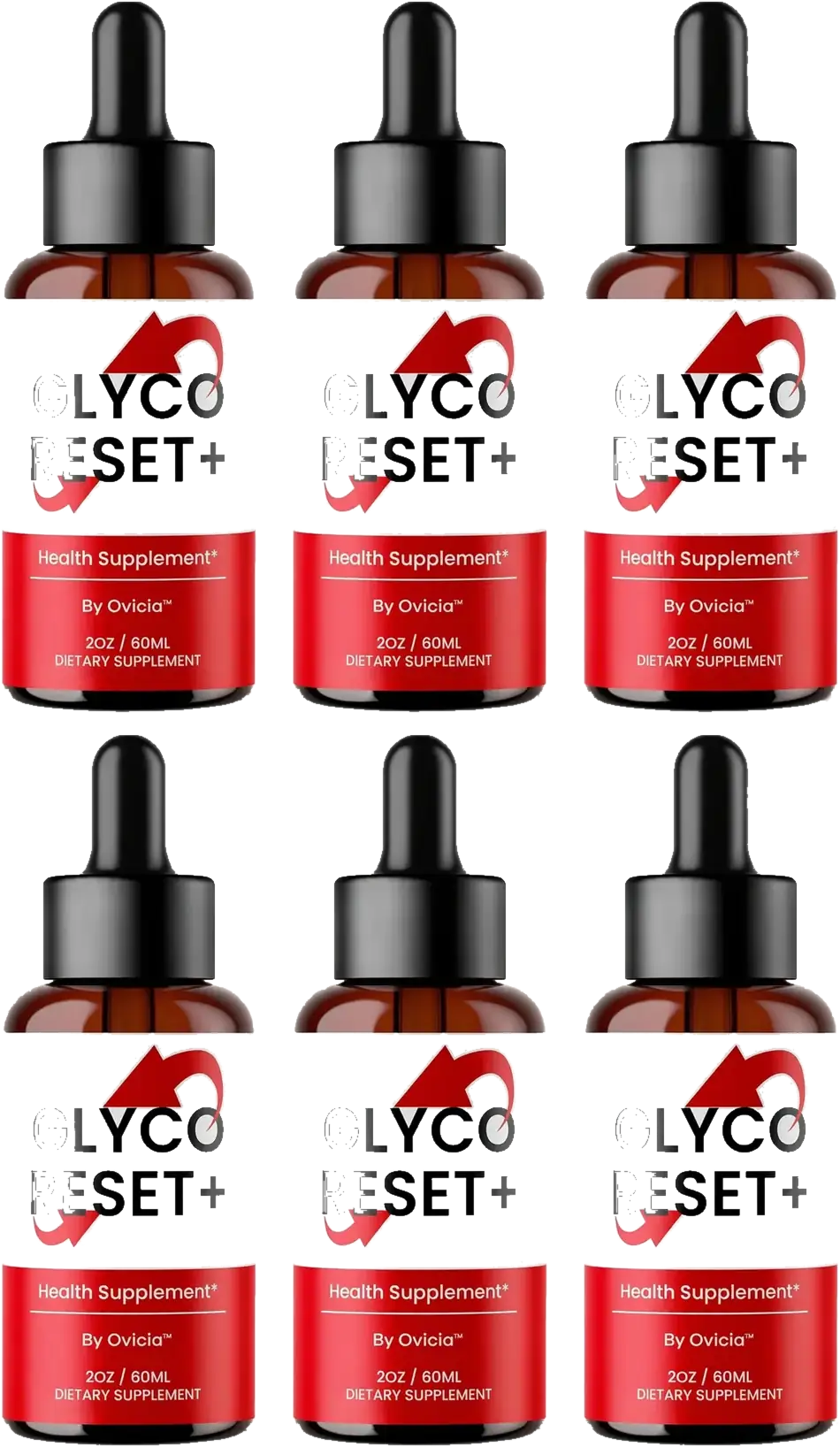
See how gymnema fits the Glyco Reset formula
Check the current sale pricing, the full ingredient label and the 60-day money-back guarantee on the official store.
Order Now